Brief
Unit 5 Sound Investigation_2018_19
PART ONE – The Problems
Film Four have two clips (choose one) from The Thing (Carpenter, 1982) and The Fly (Cronenberg, 1987) for a horror documentary they are going to show in a late night slot. These clips have no sound or dialogue. This involves you working to write and record suitable dubbing, Foley sound, library sounds, SFX and copyright free music.
I have chosen the fly for my sound investigation as I think I would be able to create a good quality sound re-make that viewers who haven’t already seen the film would think it was the original.
PART TWO- Analysing the problem
Glossary
You must write a glossary that explains the following terms:
Studio Sound Recording
A recording studio is a specialized facility for sound recording, mixing, and audio production of instrumental or vocal musical performances, spoken words, and other sounds.
Location Sound Recording
A production sound mixer, location sound recordist, location sound engineer or simply sound mixer is the member of a film crew or television crew responsible for recording all sound recording on set during the filmmaking or television production using professional audio equipment, for later inclusion in the finished edit.
Stationary
Stationary sound sources come from a person or an object that is not moving. The sound of a object has the same quality, the pitch and volume stay the same because the microphone is picking up the sound from the same spot.
Moving Sound
Moving sound sources come from someone or something that moves in any direction around a microphone. The sound will having changing quality, pitch and volume because the microphone will be picking the sound up from different spots.
Foley
Audio effects record separately from scene that is overplayed onto visuals such as footsteps, explosions etc.
Ambient Sound
Ambient sound also know as ambience or atmosphere sound its the background sounds which are in a scene or location. Common ambient sounds are wind, water, birds, crowds, office noises, traffic, etc.
Sound Effects
A sound effect is a noise that isn’t speech or music that is made artificially in TV or film.
Music
Vocals and instruments used to create sound that fits the mood of a scene in film or TV, for example if someone just died the music would consist orchestral instruments.
Drama Dialogue
The conversation between the characters in a novel, drama, etc.
Contrapuntal Sound
Sound that the viewer wouldn’t expect to hear when watching a scene.
Microphone Worksheet
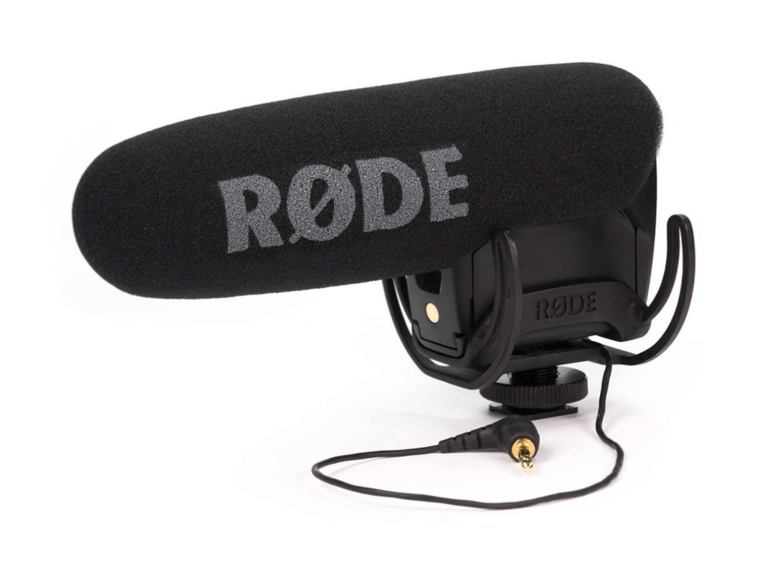
Compact Shotgun Mic
Where Are They Used?
Compact shotgun microphones designed for use with camcorders, DSLR cameras and portable audio recorders commonly used for reference audio. They are mainly used when a more condescended microphone is needed and are mounted on the top and the camera there for always facing at the subject your filming.
Pros
These mics are quite useful when recording reference sound making it easier when in post production. These microphones have no batteries due to the fact that they are plugged into the camera making them very practical and portable. There are also very easy and simple to use without any complications however good quality sound making them a good microphone for beginners as well as experienced users.
Cons
Due to the mic being attached to the camera it won’t be practical for recording audio as you’d have to point the camera towards someones mouth to get clear quality sound creating boring shots to look at.
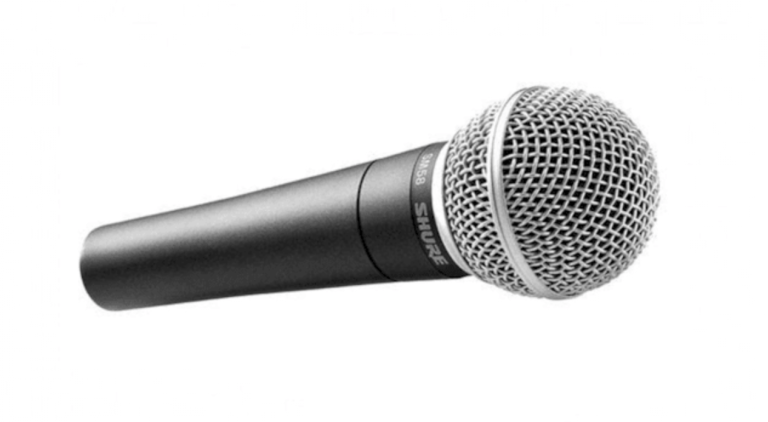
Hand Held Dynamic Voice Mic
Where Are They Used?
The dynamic voice microphones are mainly best in live situations but can also be useful for studio recording. Dynamic mics have a tuff and robust body and head and can receive high gain before creating feedback creating a cleaner sound so typically dynamic microphones are often chosen for a live performances as well as studio recordings.
Pros
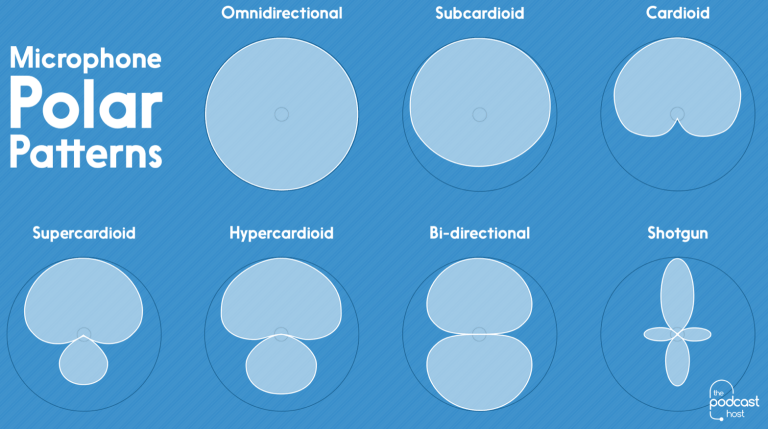
This mic can record good quality sound to in all areas of its polar patten with no weak spots. As well as that they mics don’t require power as they run on batteries, there relatively cheap.
Cons
These mics can’t record high frequency sounds such as violin in good quality as they produced poor sound.
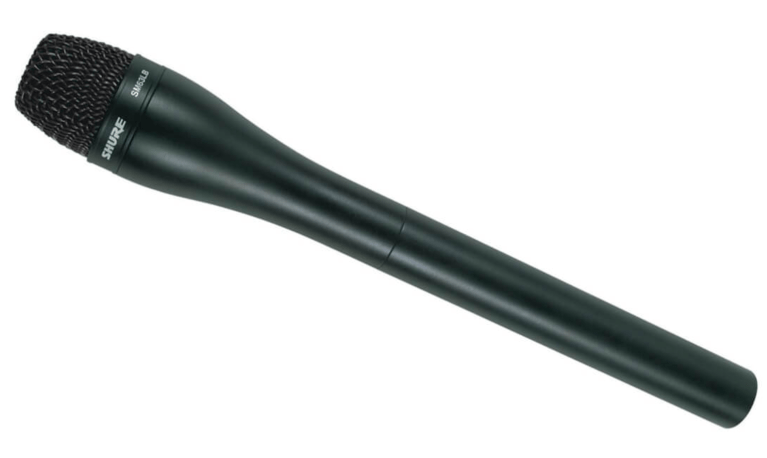
Hand Held Reporters Mic
Where Are They Used?
These mics are used as the name suggests by reports when interviewing people.
Pros
These mics are omnidirectional so it makes it easy to pick up the individuals voice if they get moved they’ll still pick up good quality sound because the mic is pointed in the general direction of the source. They tend to be battery powered so reporters don’t have to worry about tangling cables.
Cons
A con of the reporter mic is that the holder has a to constantly switch between aiming at peoples mouths to get the best audio quality.
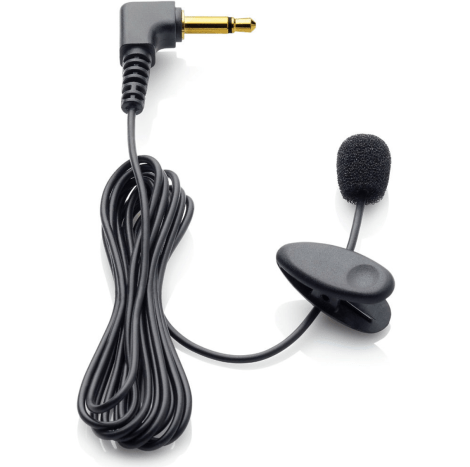
Tie clip
Where Are They Used?
These micx are commonly used during interviews on chat shows or the news for example Graham Nortons Show and Spotlight both use these mics for their hosts and guests.
Pros
These mics are very useful because it doesn’t require anyone to operate it and eliminates the problem of mic being in shot of the camera. Another pro that its an omnidirectional polar so if the mic slips it’ll still pick up audio.
Cons
A con of this mic is it often picks up thumping and shuffling sounds when the people wearing them move.
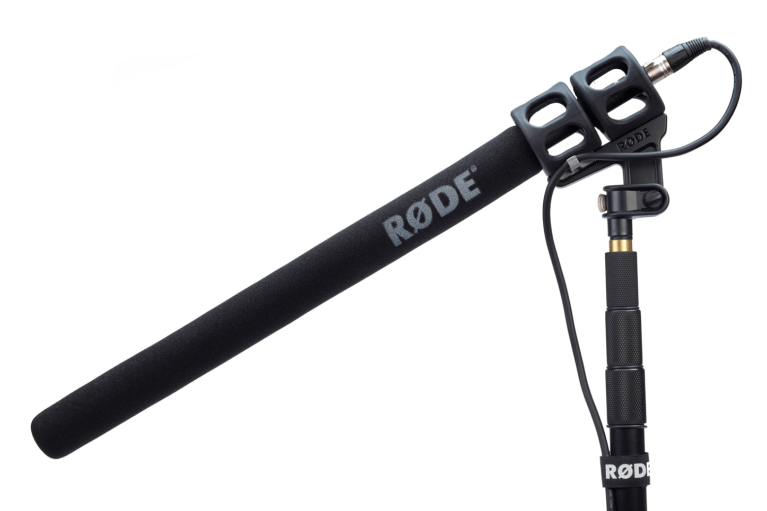
Shotgun/Rifle Mic
Where Are They Used?
A shotgun microphone is a highly directional microphone that must be pointed directly at its target sound source for great audio recording quality. Shotgun microphones use a shotgun polar pattern to create a high beam of concentration on the sound source to record the sound. They are best used for recording dialogue as of the high concentration.
Pros
The audio quality is very high and clear quality.
Cons
The operator has to be very direct at what there aiming at if there slightly off they won’t have the best quality.
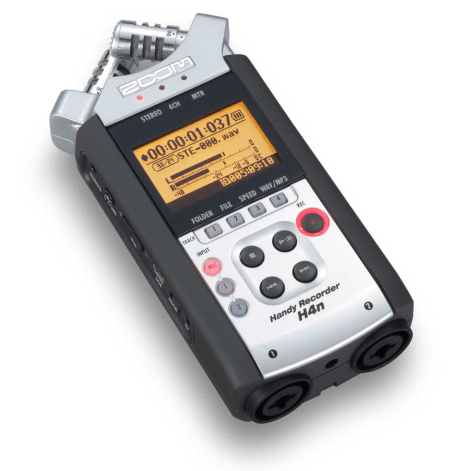
ZOOM Mic
Where Are They Used?
These micx are commonly used during interviews on chat shows or the news for example Graham Nortons Show and Spotlight both use these mics for their hosts and guests.
Pros
These mics are very useful because it doesn’t require anyone to operate it and eliminates the problem of mic being in shot of the camera. Another pro that its an omnidirectional polar so if the mic slips it’ll still pick up audio.
Cons
A con of this mic is it often picks up thumping and shuffling sounds when the people wearing them move.
Audience
Survey
Primary Research Summary
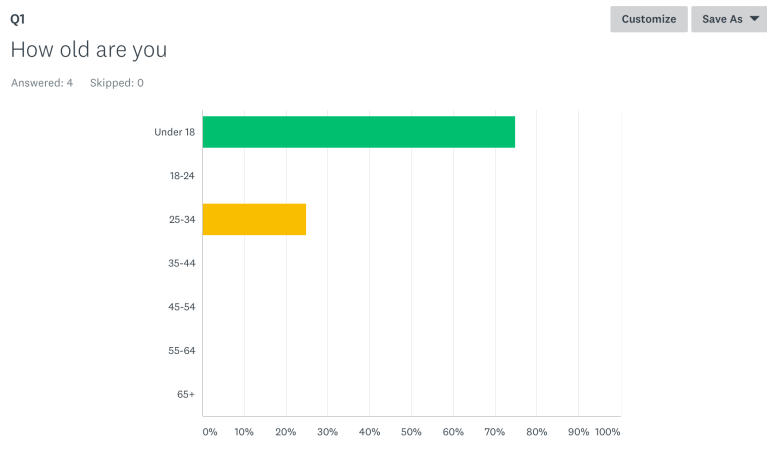
The conclusion I have found through use of my survey a rough example of the target audience and popularity of horror throughout different ages. The people that took my survey were aged from under 18 – 34 meaning therefore the results will be around that target range.
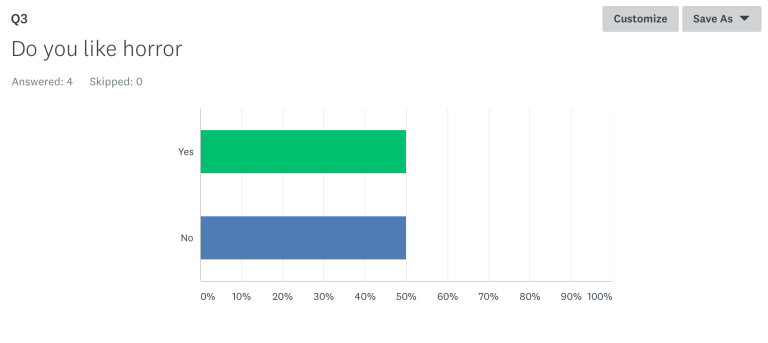
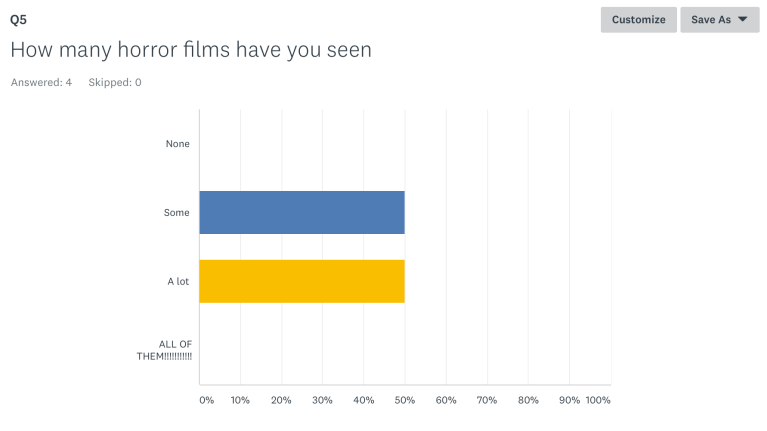
Half of the tests results show that there’s a 50/50 chance that this age range would enjoy the horror genre. The half of the people that did enjoy horror rated the genre 4.5/5 meaning that the people that did like horror enjoy the theme a lot. My survey shows that the people who did enjoy them tended to watch a lot of them showing use that there’s a target audience that’ll constantly watch them.
However on the contrary the people who don’t enjoy horror have only seen some of which makes sense though it does show that even people who don’t like have still seen some of them, meaning that there’s a gap in the market for people that don’t enjoy the stereotypical horror films.
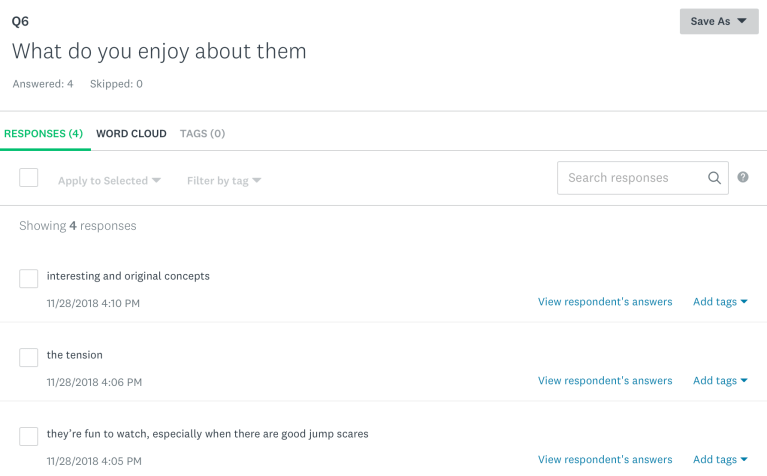
Another part of the research from the survey shows that the best parts of horror are ‘interesting and original concepts’ again coming back to the fact that shows more and more people aren’t interested in simple stereotypical horror showing the market gap for a heavy story driven horror.
Other things that people enjoy the most about horror is the tension shows that one of the main reasons for people that go to see horror is that they like the feeling of suspense and tension, this is what makes a horror great is the ability to connect with an audience enough to make them feel the fear of characters on screen.
Fans of horror especially like that fact that they can get scared when watching horror films, this is because when people get scared they get an adrenaline rush which makes people feel enjoyment this feeling also addictive which makes fans keep coming back to watch more of them.
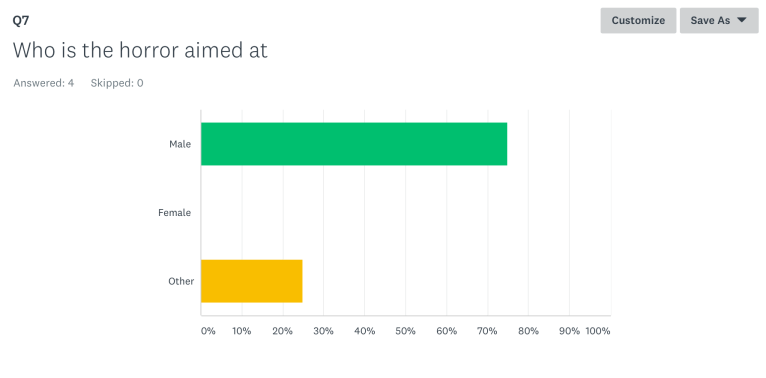
My survey shows that out of the people they said that 75% of horror films are aimed at males, this shows the general target audience for the large majority of horror have a similar target audience and that if your going to shoot one you should have the same target audience if you want to create something to the same standards.
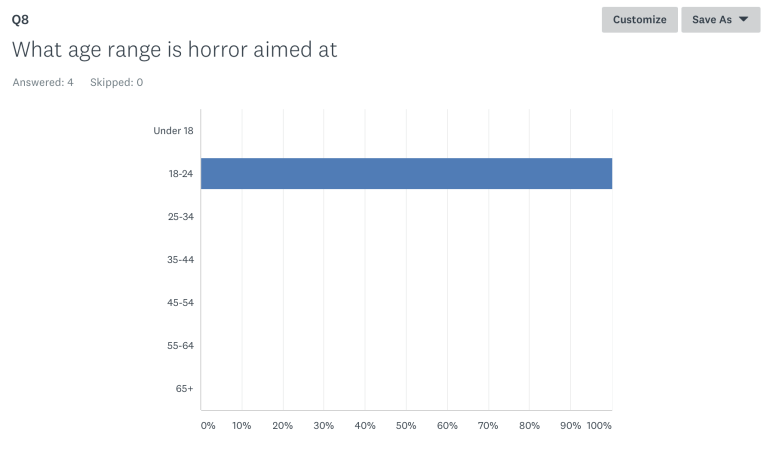
The survey also shows that 100% of the people agree that this genre is aimed 18 -24 age gap, this is because it combines all the things that stereotypically this age gap enjoys most due having good story, jump scares and tension. Older people don’t tend to find these factors enjoyable because they find them predictable and boring therefore don’t watch horror films.
Horror Films Target Audience
The usual age for the target audience of a horror film is 18 – 24. The most common reason is younger adults and teenagers enjoy the feeling of being scared and having a rush of adrenaline. These feelings are more likely to engage a younger audience rather than an older one as they would find it boring and out of their taste. A lot young audiences are not put off by gory scenes but find them more interesting and entertaining.
As an example of a gory horror The Human Centipede is well known specifically because of the disturbing scenes and themes that would put off a lot older audiences will be put off by the use of graphic violence.

Horror films are generally aimed more at males than females. This is because stereotypically males enjoy the violence more than females. The adrenaline seeking feeling is also associated with males more than females. As well as that young males are stereotypically immature so that means that they enjoy seeing blood, guts and gore in the horror films. However, many young females enjoy horror films just as much as males although usually horror films are not be aimed at their gender. Most females will probably find the more basic horrors to be cliché as they more often than not portray females as weak, fearful and in need of saving, these aspects would bore and irritate them as features are just stereotypes. In contrast males may find them more interesting because they are portrayed as heroic and strong who beat the antagonists, so they try to find ways to relate them selves to the protagonist.
Horror films are generally aimed at the middle and working class. This is due to the fact that they can get a good thrill at a reasonably low cost. The upper class will be less likely to watch horror films as they don’t enjoy that type of entertainment and would rather go to the theatre stereotypically, however for a member of the working class it may be a way of getting away from their more less exciting lives and adding sense such as danger and dred that usually wouldn’t have.
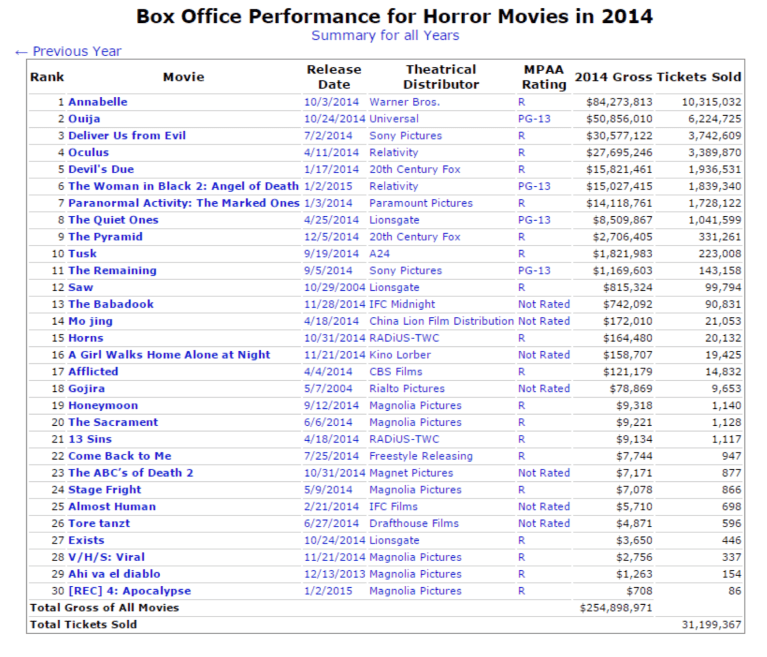
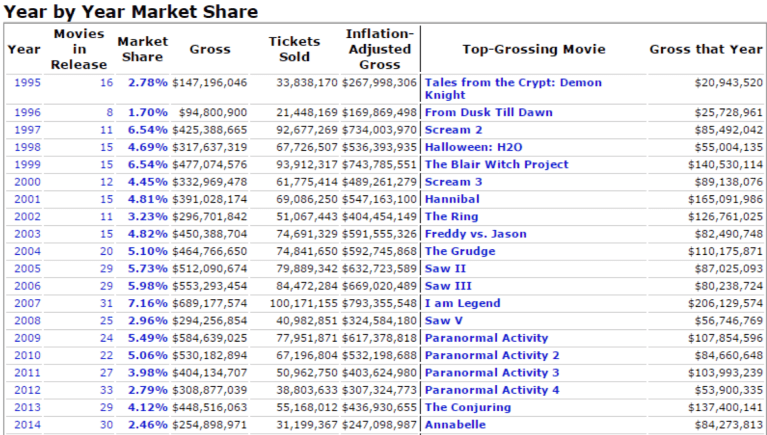
As the screenshots shows there’s a smaller target audience of horror film that are heavily based around blood and intense violence, more films are targeted at individuals that have an interest in the supernatural and the unexplained as they create the feeling that they might be real connecting more, with them getting them increasingly interested proven by the fact that the top 3 horror films of 2014 were supernatural ghost and demon stories. They may also be aimed at individuals that enjoy a sense of mystery, as many horror films don’t share information with the audience to build tension and suspense also making it easier to create plot twists. Horror films may also be targeted at groups of people. A good example of horror films to show why they aimed at groups of teenagers is because, as it is a great reason to meet up with friends to watch a horror film and be scarred together. Groups of teenagers are also attracted to these films as it is something to talk about.
Examples
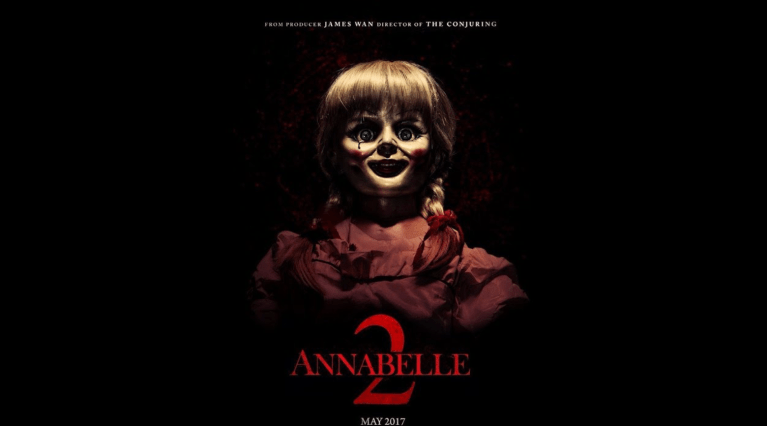
“Former toy maker Sam Mullins and his wife, Esther, are happy to welcome a nun and six orphaned girls into their California farmhouse. Years earlier, the couple’s 7-year-old daughter Annabelle died in a tragic car accident. Terror soon strikes when one child sneaks into a forbidden room and finds a seemingly innocent doll that appears to have a life of its own.”
Annabelle 2 is aimed primarily at a younger audience of around 18 – 24. The main characters are children making the film feel more realistic as the film can relate to the fears of the audience that they had when they were children making the film scarier by engrossing them and manifest them into actual dangers adding the supernatural factors. However the film series tells the story of a possed doll throughout its life from creation to destruction, meaning that older fans of the first films will be drawn in as they may have an interest or curiosity about the story aspects of the film.
“Found video footage tells the tale of three film students who’ve traveled to a small town to collect documentary footage about the Blair Witch, a legendary local murderer. Over the course of several days, the students interview townspeople and gather clues to support the tale’s veracity. But the project takes a frightening turn when the students lose their way in the woods and begin hearing horrific noises.”
The Blair Witch Project has a target audience that is aimed at young adults also aged around 18 – 24. The film is appealing to this age group as again because the characters are also teenagers relating to the characters. However it will also appealed to an audience interested in sci-fi and government conspiracy theories as the film is based around a restricted government zone. The film will also appeal to audiences that have a liking towards low budget small independent films and those interested in the supernatural. When this film first came out it attracted a very wide range of audiences as no-one at the time was sure if the film was real or not as of the way it was filmed and advertised adding that that sense of mystery that horror fans tend to enjoy.
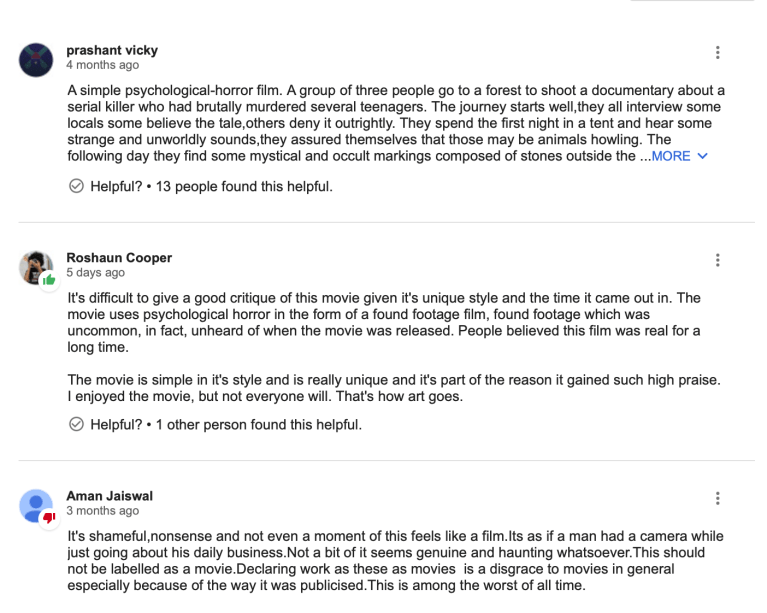
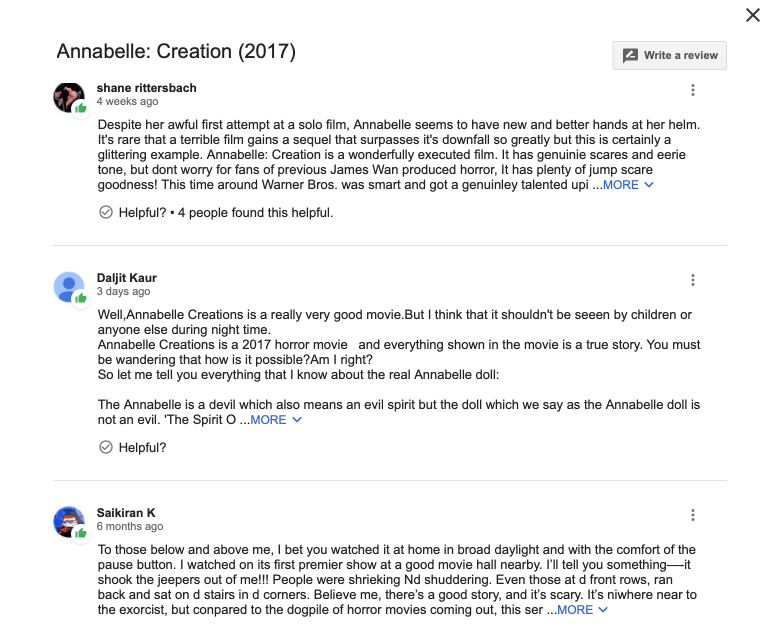
These reviews show that the unique indie had a lot of mixed opinions due these reviews being really recent it shows how this monster genre of horror film can become flawed and less entertaining losing its scare factor, however for the time period it was released and quality of the storytelling made this popular and still watch able.
Sources
https://www.filmsite.org/horrorfilms.html
Click to access horror_film_research.pdf
https://thescriptlab.com/screenplay/genre/990-horror/
https://www.fastcompany.com/…/why-horror-movies-are-now-more-important-than-e
https://www.futurity.org/horror-movies-interview-1898142/
Audience Profile and Overall Summary

Gender – Male. 55% of the horror audience are males. Males are more likely to enjoy horror because stereotypically they tend to have a personality that seeks out thrills and enjoyment of violence.
Age – 15-30. I am confident to say from using both my primary and secondary research that the main target audience of horror is between 15-30 and are generally younger because of the adrenaline rush and intense amount of tension that this target audience enjoys more of.
Ethnicity – Caucasian. A large amount of the protagonists in a lot of horror films are Caucasian therefore attracts a similar audience due to viewers wanting to relate them selves to the hero.
Class – Working Class. The majority of horror audiences tend to be from the working class. I think that this is due to the films are a cheaper way to experience thrill seeking moments. Although some horrors have different themes that’d be suited to different classes though the largest majority are fitted to working class.
Brands – Because the horror genre is so populated be a younger audience many companies try to highjack this to subconsciously promoting their brands. A lot of companies such as Topman, Coca-Cola and Apple take advantage of this and you’ll commonly see there products scattered around scenes, due to to high level of advertisement younger viewers may want to buy them.
Hobbies / Interests – The type of people that typically watch horror films like to play video games such as DOOM, Outlast and Dead Space as these are strong horror games that focus on the exciting aspects of horror. Going out with friends to see horror films many people use horror films as a social event and go with lots of like-minded friends to see them.
Media – Usually fans of horror genre use social media websites such as Facebook and this is heavily used in the target age of horror of 15-30. As well as using sites such as YouTube to watch trailers and videos on the films.
SOCIO ECONOMICS (ABC1’S):
A = Upper middle class (high managers)
B = Middle class (Middle managers)
C1 = Lower Middle class (Supervisors/ Clerical)
C2 = Skilled working class (Skilled manual work)
D = Working class (semi/ Unskilled manual work)
E = Subsistence (pensioners, unemployed etc…)
Audience – 4 C’s
The 4 C’s – stands for Cross Cultural Consumer Characterisation. This divides people into 7 separate groups depending on their core motivation. These 7 groups are the explorer, aspirer, succeeder, reformer, mainstream, struggle and resigned.
The Explorer – These people looking for a challenge and discovery. They always want to be the people to try new experience and ideas. They try to be more outstanding than other people. They’re motivated to find discovery and innovation.
The Aspire – The aspirer is a materialistic individual, they focus more on peoples opinions and perceptions of them rather than their own values. They reacting to other people’s ideas appearance, personality, fashion. They believe that they’re appearance is more important than there personality. Their main motivation is they’re overall status.
The Succeeder – These peoples have high self confidence and tend to be very organised. These individuals have a strong gaol orientation as they want to be very successful in life often having an aggressive attitude to life, their motivation is have control and power.
The Reformer – They value their own judgement more than others, they commonly do what they want with a lot of tolerance and many people think of them as the most anti-materialistic group, their core motivation is for enlightenment.
The Mainstream – They tend to copy other people and like what they like. The people in this category rely on a daily routine as it is fundamental for them. The mainstream is the largest of the 7 groups as it takes up 45% of the population, their core motivation is security.
The Struggle – They “live for the day” meaning that they like to live in the moment. The other 6 groups see this particular group as the victims and losers. These individuals rely on luck rather than common sense or judgement to get anywhere with there lives putting in minimal effort and work. Often the have very addicting personalities and are heavy consumers of alcohol and junk food to make up for their poor quality of life, their main motivations in life is escape.
The Resigned – Predominantly older citizens with unchanging values such as pensioners. Many of them enjoy traditional roles and lives very working class. They prefer the older ways of living instead of using new more modern technology. There core motivation is to survive.
Summary – These groups stand as a rough guide line to help production companies to more accurately target their audiences and sculpt their products to fit them best. However these group are more stereotypical rather then factually as the don’t always apply to everyone and some people fit into both or no little into some.
Foley and Sound
Ambiance
Ambience is background or atmospheric sounds that take place in a scene to make it feel more alive. This is sometimes recorded on a location its very common to record 1 minute worth of ambience before leaving a location this is because it ensures that in post-production the sound, sounds like actually location that you filmed in making your scenes more immersive for the audience. However sometimes you might need ambience that is different from what was recorded to create a more effective atmosphere e.g. a body office or restaurant. Most of these bought atmosphere tracks are found in online libraries though most of the time you have to gain access to them.
Library Effects
These effects can purchased online or created “wild” a term that I have found during my research meaning an effect recorded that isn’t tied to a particular visual. They are commonly difficult to make, expensive or sometimes dangerous e.g. gunshots, explosions and glass shattering.
Foley
Foley is usually split into four different categories:
Footsteps – which is the sound of the movement of characters on screen not always being human as this involves animals or monsters.
Cloth – is the sound the costume as characters move about the scene.
Props – a portable object other than furniture or costumes used on the set of a the scene.
A studio will usually hire a foley production company that’ll have a couple foley artists in a studio full of props that they’ll use to create the illusion that the film is coming from that object.
History of Foley
Foley was originally influenced by Vaudeville which was influenced by English Music Hall. This type of music is a form of theatrical variety show, a show preforming many different things such as magic, songs, dances and sketches. Vaudeville was a powerful way to connect the film with the audience with the Vaudeville drummer to highlight dance kicks or jokes with a cymbal and snare. However Vaudeville became less and less popular in the 1930’s when Board-cast Radio and Talking films started to come.
Radio
It’s very common for old Radio shows to copy from Vaudeville especially the more scripted shows. In shows like Back of the Mike 1938 the producers relied more on sound effects to create a visual image in the listeners head. For Back of the Mike they had a whole team of artists with a variety of props to create the illusion that the sound is actually coming from the thing they’re re-creating. For example they re-create the sound of rain by using a drum and tapping it repeatedly, and made the sound of fire by rustling some paper together.
Film
The larger more famous silent movie halls employed orchestras to highlight and provide sound effects. Using orchestras was extremely effective, so much so that there still is use in modern cartoons such as Tome and Jerry as well as Daffy Duck. However these soon became redundant as more talking movies came out with dialogue as well as sound effects the first talking movie being ‘The Jazz Singer’ so less audiences wanted to see silent movies.
Jack Foley
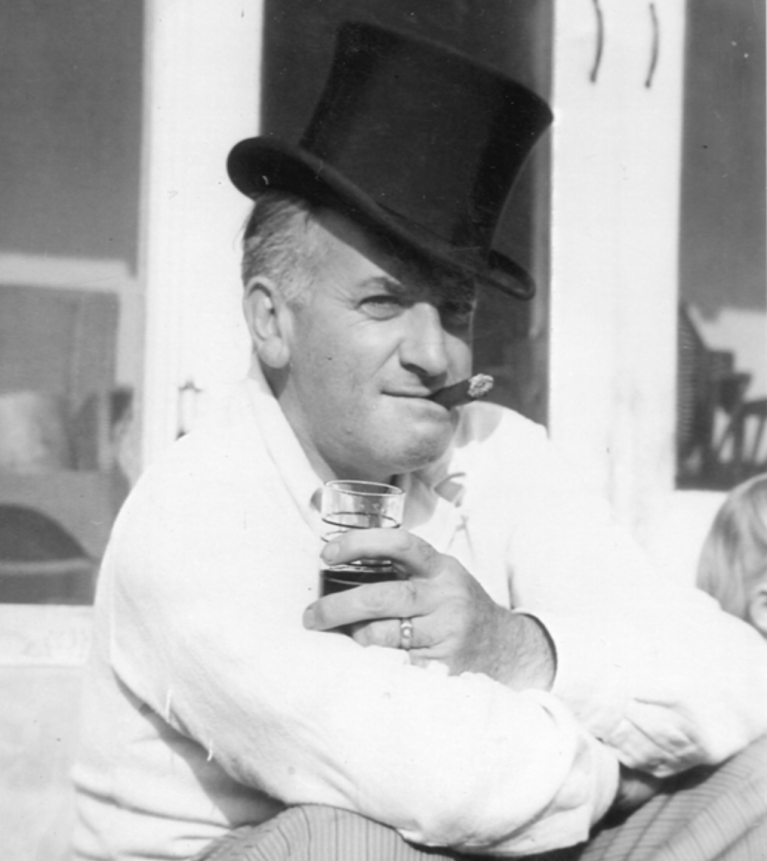
Jack Foley had a very interesting career from semi-professional baseball player, to working in a hardware store, to acting and directing in a small town called Bishop. Whilst trying to get big name movie studios to use Bishop as a set for westerners, Foley fell into movie making. He started off as a stuntman then moved up to a double than after more experience in the industry he finally made his way to assistant director. However he had a natural ability for sound that made him known in the world of film making. Jack and his other team members would preform all the sound effects onto one track, as multi-track recording hadn’t been invented yet. What Foley did with his crew when creating sound was unique to him as no-one else had done something before like his tactic, making his work ground breaking and very influential in the years to come with other film studios trying to copy him. The process he used was called direct-to-picture due to the fact that Foley recorded the sound live whilst watching the film to make it as realistic as possible. Direct-to-picture didn’t inherit the inventors name until late 1962. Lucille Ball and Desi Arnaz built a stage at Deilu TV Studios specially for the direct-to-picture recording and called it the Foley Stage, ever since then the technique got Foleys name. Jack Foley died in 1967 he was later awarded a posthumous Lifetime Achievement in 1997.
Copyright Laws
Copyright
Copyright is an automatic right given to creators that make literary, dramatic, musical and artistic work. It gives creators of these materials rights to control where their material can be used. Since the 1988 Copyright Act was passed, copyright gives the creators of creative works exclusive rights over the distribution of their work.
What is protected by copyright?
Original literary, dramatic, musical and artistic works, sound recording, films and boardcasts.
How long does UK copyright last?
70 years after the death of the author, sound recording are 50 years from year of release.
What exceptions are there to using copyrighted material?
Non-commercial research and private study, or in court with a judge and teachings in schools – but you still need two acknowledge the copyright owner in your work.
How do you gain permission to use copyrighted material?
Contact the copyright owner or organisation that represents the copyright owner. If you want to use music that is under copyright you will need to talk the artist, or representative in order to obtain a license to use the work. For example Radio 1 will buy rights to use artists work but the artist will receive royalties. If a shop plays a radio station they must have a license.
Foley Artists and Copyright Laws
Infringement happens when someone uses work that is protected by copyright laws without the creator’s permission and, if you use copyright protected work you could face damages of up to £150,000. The penalty is greater if the court finds the infringement wilful.
Releases – Always have anyone appearing on camera in your video sign a form before you start filming. This release form will protect you from most legal issues and gives you permission to use the video of the person for commercial and non-commercial purposes. A release form is not needed if a person is part of a crowd recorded in a public place, as long as the person is not a focus of the video.
Recording Location – Generally, you have the right to video at or from public places such as public streets, parks, and public events. However the people that your recording also have privacy rights so you’ll need their permission before recording. You do not have the right to record at or from private places such as someone’s house, without they’re signature.
Legal Audio – It’s very easy to infringe on someone else’s copyright rights by using clip libraries. If you use audio that you have not created, you must obtain a license to use the audio before you start to put it into your video. Another option is to use buyout music, which requires a one-time fee for unlimited use.
Stills and Images – If you use video clips or photos that have been created by others people you should obtain permission from the owner and also obtain permission from anyone contributing to the work, such as actors.
Fair Use – Some works are covered under the fair use provision of Copyright Law, which is a set of guidelines used to decide if work can be used without permission. Examples of fair use are works used for news reporting, criticism, comments, scientific research, teaching. Be aware that if the copyright owner doesn’t like how you used it, it could lead to a lawsuit and damages.
Copyright Notice – Be sure to place a copyright notice on your video it’s the symbol of a c with a circle around it: ©. This gives notice to the public that you own your video. The notice should be seen at or close to the beginning of the video or at the end. You should also include the notice on DVD labels or packaging.
Registration – Register your final work in the Copyright Office if you think it is valuable and likely to be copied without your permission.
Rights Managed (RM) – Products are licensed with restrictions on usage, such as limits on size, placement, duration of use and where it’s distributed.
Royalty Free (RF) – Products may be used by you multiple times for multiple projects without incurring additional fees. Royalty-free pricing is based solely on the file size of the product you need and the number of people entitled to use it, not the specific use.
Creative Commons (CC) – Allows authors of creative works to choose how they wish any individual piece of work to be used. CC licences let authors change their copyright terms from copyright. All Creative Commons licences require that you attribute authorship e.g. include credit of the creator.
Sound Investigation Plan
My problem is to create sound for the (1986) version of The Fly, I’ll be using many techniques that I have talked about in my sound glossary during production.
The first technique of recording I’ll use is the studio sound recording booth at the college this studio is a specialised room for sound recording, mixing, and audio production of instrumental or vocal musical, ADR and other sounds. The college recording booth is especially useful when recording ADR as the space is completely sound so the are no background sounds interfering when your audio. I have had previous problems when I have recorded dialogue lines and there’s been sound in the background that rendered the clip useless so was extremely helpful.
The second technique that’ll I’ll be using during production is Foley (named after sound effects artist Jack Foley) is the recreation of everyday sounds that are added to film, video in post-production to enhance audio quality. I’ll have to recreate many different sounds to make an immersive viewing for example the movement of clothing and footsteps to air locks, monster noises, gun shots and breaking glass. To record the Foley I’ll be using a shotgun microphone provided in the audio visual pack from the college, I will be using this mic because its very good at picking up direct sound and won’t record the surrounding sound as much as a omnidirectional or stereo mic.
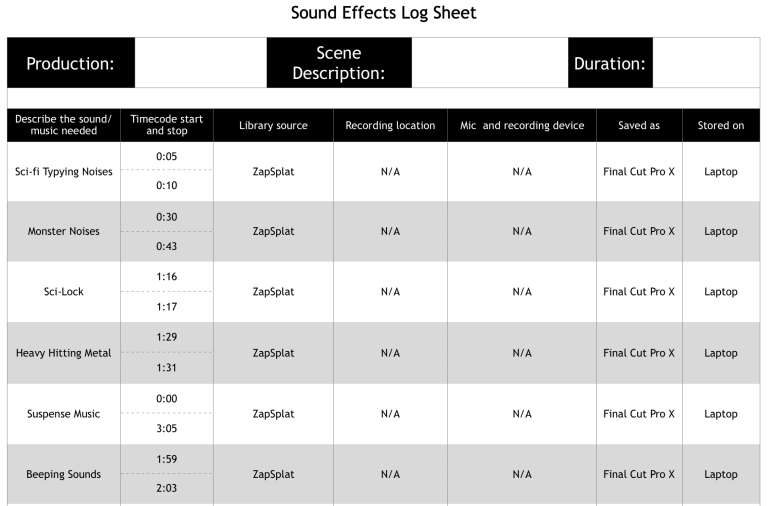
The third piece of sound I’ll need is sounds effects found in a Sound Effects Library, I have found a very useful Library called ZapSplat sounds that offers thousands of free sound effects and royalty free music. I’ll need these effects to add the sounds I wouldn’t be able to recreate such as sci-fi typing, explosions and gun shots, as well as that they can also be very useful if I forget to record or if the quality of the audio is extremely poor the Sound Library will act as a back up source of sound.
For the fourth piece of sound will be the Music aspects, as music plays such a massive role in horror its important to get good quality sound otherwise the scene will feel empty that’s why I will have to use online sources to get some and not make one.
To record the majority of my audio I’ll be using a shotgun and zoom microphone. The majority of my Foley will be recorded on the shotgun mic for the direct polar pattern and high quality recording abilities, this mic will be very useful when if I only want the one sound and not the surroundings when I recorded all the subtle sound effects I’ll use this mic. The zoom mic will be great for recording ambience and surrounding sounds as well as echoes, when recording my ambience and sounds that I want to have a natural reverb.
I think that the overall recording will take a couple of days as it’ll take some time to gather all the resources I need to recreate the foley, as well as this I may have some difficulties, I had to readjust my recording schedule which moved my bookings to a time when it was difficult for me a to record as a result of this I’ll have to spread out the recording of a couple of days although all of my ambience will be recorded on the first day as it is easily accessible.
The sound will appeal to the horror target audience as it is stereotypical horror effects with braking bones, skin falling off and horror music with suspense building sounds. The sounds will consist deep and darker sounds that’d you’d expect to hear in a horror and the ADR will be edited to sound more monster like
PART THREE-Solving your problem
Complete the relevant planning and paperwork for your chosen specific audio-based problem.
Sound summary:
Sci-Fi typing and count down – Sound Library
Sci-Fi door opening – Foley (open a fizzy drink)
Dialogue – ADR
Lamp falling over – Foley (push lamp over)
Monster noises – ADR
Skin falling off – Foley (crushing grapes)
Bones cracking – Foley (celery breaking)
Heavy breathing, gasping – ADR
Sci-Fi lock – Foley (bike lock)
Crutch walking – Sound Library
Monster footsteps – Foley (dropping something heavy)
Monster clicking – ADR
Gun clicking – Foley (door lock)
Gun shot – Foley (deodorant on bomb fire)
Electrical explosion with sparks – Foley (sparklers and boil rumbling)
Computer shutting down – Foley (shut down a computer)
Glass smashing – Foley (smash empty milk bottles)
ADR Sound Sheet

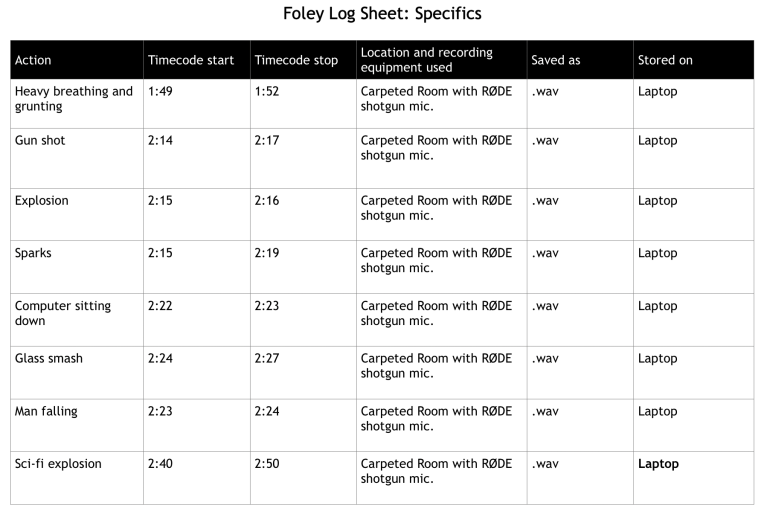
I used these sheets for a way of pre-planning so I knew where everything was stored and the file type it was saved on. This sheet also helped when recording ADR in the radio station to give us the time codes so we could skip around the clip. As well as that it helped for when I was making ADR repeat clips to help voice actors in the booth.
Fly ADR Clips
Foley Work Sheets

Sounds Effects
Comparing to Directors Intentions
David Cronenberg created The Fly (1986) which is a horror however he wanted to something more than just the stereotypical gore horror that was available at that time period. He wanted to make a horror film with a more in depth story with aspects of romance and a love story as well as the common parts of horror. The story is very emotional and passionate, he did this to get his film to stand apart from the gore fest and slasher films.
The idea David of a horror film is to allow people to confronts things disturb them about life in a safe environment, David created a horror that isn’t a basic rollercoaster of most horror films as he pictured it quote ‘a high art’
I think my chosen sounds have fitted the clients brief as requested I have created sound and ADR to make the clips have suspense and tension. Although the sound isn’t perfect I think it does create good horror mood and its clear from the start of what genre it is just based on the sound.
Comparing my work with Cronenberg’s and watching some of his interviews I have gathered enough information to come to the conclusion that David’s idea was very different from mine, whilst the director wanted to standout from the other horrors by creating a love story built up within the gore and violence. Whereas unlike Cronenberg I was trying to go for a more stereotypical style horror as the clip was given doesn’t have any character progression therefore I don’t need to change my sounds to portray that only sounds to scare and build tension.
Final Edit of The Fly
Evaluation
EXPLORE YOUR BRIEF ANALYSIS OF ORIGINAL CLIP OR PROBLEM:
For my chosen ‘problem’, I was given a clip from the (1986) The Fly in my brief and had to had to create sound effects, foley, ADR and take effects to apply them the silent clip. I chose the clip from The Fly as it is full of many different foley effects that I really wanted to try and create and experiment with. Another reason I chose a horror instead of one of the radio shows is that I want to do a short for my final project so I thought this would be good experience for that future project. The main thing I enjoyed about this task was that this project was the fact that there were some difficult and challenging sounds to make such as gunshots and monster noises, quite a lot of these sounds I couldn’t actually create e.g. the gunshot I needed to layer many sounds on top of each other.
HAVE YOU ADDRESSED THE NEEDS OF THE TARGET AUDIENCE? HOW?
I think I have successfully addressed the needs of the target audience, this is due to my use of sounds that I have created and take from only sound libraries and online sources. I tried to effectively use the sounds to create suspense and tension so it’d fit what target audiences would want. I have used many different techniques to do this correctly first of them was the use of foley to replicate the sound of cracking bones and grapes to create the illusion of the sound of skin falling off someones body. The second the is the use of music, as music plays such a huge role in horror therefore it took me a long time to find the right track that would fit the visuals. Although I feel the music still sounds a little off and doesn’t build as much tension as the original clip, I wanted to make sure the music is right otherwise it would ruin the whole edit. I feel like these techniques will appeal to the target audience of The Fly as it is more of a stereotypical sounding horror now.
HOW DID YOUR SOLUTION MEET YOUR ORIGINAL INTENTIONS?
There are a couple aspects of my solution that did disappoint me especially since I had such high hopes for the edit at the beginning of the task. First of which is the fact that the female audio sounds extremely poor in quality and attitude. I recored all the female actors lines with three different voice actors and non of them where available to create a convincing scared tone of voice therefore making the final edit look a lot amateur then it should be. The second problem was that I didn’t have enough foley to make the scene come to life, for example the shots are missing clothing movements this makes the re-dub feel empty and adding a jumpy feeling when watching as if the audio was cut oddly. However not all was bad and I was able to record some good quality foley especially with the bone braking sounds this sound really does engross the viewers and is in my opinion the best part of my edit.
WHAT TYPES OF SOUND DID YOU USE? HOW WERE THEY SUCCESSFUL? HOW DID YOU SOLVE THE PROBLEM?
Most the audio used in my edit was foley, I was able to do this because I had the audio pack booked out for such a long period of so when editing if I released I was missing any audio I could do it the same or next day. A large majority of my foley was of a good quality and I’d call it a success though there were a couple of files that didn’t sound they way I had imagined, when I was recording them for example I thought I could overlay the sounds of a sparkler and boiler to create the sound of an explosion but it didn’t sound anything like it. To overcome some of these problems I had to use some of the sound libraries to fill in the gaps around my edit. My personal favourite of the sounds transformation scene as it took a long time to layer all the sounds together and sync it to the clip to get a great sounding effect however when it was done I was pleased with the end result.
WHAT ARE THE STRENGTHS AND WEAKNESSES OF YOUR WORK?
I’d say that the strengths of my edit would be the transformation scene as well as the ADR of the Fly voice acted by Josh. I think the ADR was a strong point for me as I spent a lot of time on to trying different sound and playing with the EQ levels to create a monster sounding tones. To get the perfect dub for this ADR I played the original audio and my own and then zoomed in to see frame by frame and match up the sound wave patterns.
The main weakness of my work has been the female actors ADR, even after trying three different voice acts I was still unable to create the right sound. As well as that I spent a lot of time trying to edit the sound to make it sound like it was actually coming from the scene unfortunately I feel like I was unsuccessful in doing this.
 Charlie G-W Film and TV